
The aroma wafting from my oven instantly transported me back to my grandmother’s kitchen, where the magic of baking transformed simple ingredients into something extraordinary. Today, I’m thrilled to share my go-to recipe for Soft Sweet Condensed Milk Bread, a delightful twist that elevates your typical loaf and turns breakfast into a cozy affair. This easy bread recipe not only showcases the rich, velvety texture of sweetened condensed milk but also promises a soft, airy crumb that’s perfect for everything from morning toast to hearty sandwiches. Beware, though—this bread has a way of charming its way onto any dinner table, making it a consistent crowd-pleaser. Are you ready to whisk your baking skills to new heights? Let’s dive into this delicious adventure together!

Why is Milk Bread so Special?
Unique Flavor: The addition of sweetened condensed milk gives this bread an irresistible, delicate sweetness that sets it apart from ordinary loaves.
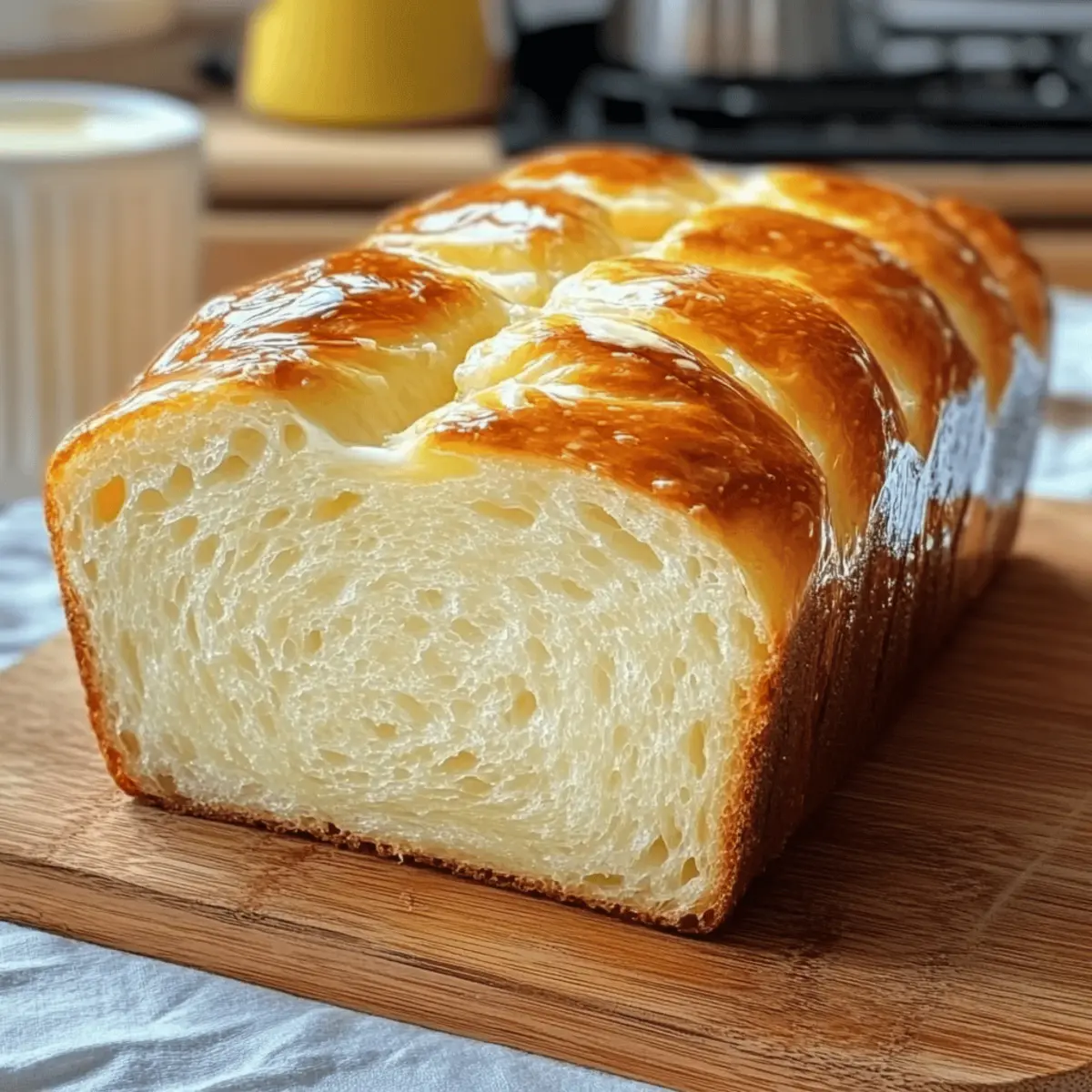
Soft and Fluffy: With a texture so light and airy, you may find it hard to believe it’s homemade!
Versatile Delight: Perfect for breakfast, sandwiches, or even as a side with your favorite soup, this milk bread suits any meal.
Time-Saving: This easy bread recipe comes together quickly, allowing you to enjoy freshly baked goodness without spending all day in the kitchen.
Crowd Favorite: Its delightful aroma and pillowy texture make it a hit at family gatherings—guaranteed to be devoured!
Why not pair it with a side of Blueberry Buttermilk Pancake for an epic breakfast spread?
Milk Bread Ingredients
For the Dough
- All-purpose flour – Provides structure and texture; can replace up to half with whole wheat flour for a nuttier flavor.
- Sweetened condensed milk – Adds moisture and a delicate sweetness to the bread; do not substitute with unsweetened milk.
- Active dry yeast (or instant yeast) – Leavens the bread for a light texture; dissolve active dry yeast in warm milk with sugar beforehand for best results.
- Milk – Hydrates the dough, contributing to its softness; warm milk is ideal for better yeast activation.
- Egg – Enhances the richness and binding; for a vegan option, replace with ¼ cup unsweetened applesauce or an egg substitute.
- Sugar – Balances flavors and helps in browning; feel free to reduce the amount for a less sweet bread.
- Salt – Enhances flavor and controls yeast fermentation; no substitutions necessary.
Optional Add-Ins
- Spices (like cinnamon) – Add for a sweet twist; place into the dough before kneading.
- Cheese or herbs – Incorporate for a savory version; consider reducing flour slightly to maintain dough consistency.
This milk bread is a delightful centerpiece for any meal, so gather your ingredients and let’s get baking!
Step‑by‑Step Instructions for Milk Bread
Step 1: Prepare the Yeast Mixture
In a mixing bowl, combine 1 cup of warm milk, 2 tablespoons of sugar, and 2 teaspoons of active dry yeast. Stir gently until dissolved, then let it sit for about 10 minutes, or until it becomes frothy. This process activates the yeast, ensuring your milk bread will rise beautifully.
Step 2: Mix in the Wet Ingredients
Add ½ cup of sweetened condensed milk and 1 large egg to the yeast mixture. Whisk until fully combined, creating a creamy base that adds richness to your milk bread. This sweetened mixture will be the source of that delightful flavor and soft texture we’re aiming for.
Step 3: Combine Dry Ingredients
In a separate bowl, whisk together 4 cups of all-purpose flour and 1 teaspoon of salt. Gradually add this flour mixture into the wet ingredients. Mix with a wooden spoon or spatula until a shaggy dough starts to form, ensuring no dry flour remains.
Step 4: Knead the Dough
Turn the shaggy dough out onto a floured surface. Knead it for about 10 minutes, until the dough becomes smooth and elastic. You’ll know it’s ready when it springs back gently when pressed. This kneading process develops the gluten, ensuring your milk bread will have a lovely, airy structure.
Step 5: First Rise
Place the kneaded dough into a greased bowl, turning it to coat the surface with oil. Cover it with a clean kitchen towel and let it rise in a warm place until doubled in size, which usually takes about 1 hour. Look for the dough to become puffy; this indicates it’s ready for shaping.
Step 6: Shape the Loaf
Once the dough has risen, punch it down gently to release the air. Transfer it to a floured surface, and shape it into a loaf by flattening it into a rectangle and rolling it tightly. Pinch the seams to seal, then place the shaped loaf into a greased loaf pan.
Step 7: Second Rise
Cover the loaf pan with a towel and allow it to rise again until doubled, about 30 minutes. During this time, preheat your oven to 350°F (175°C). The dough should look billowy and almost reach the top of the pan when it’s ready for baking.
Step 8: Bake the Bread
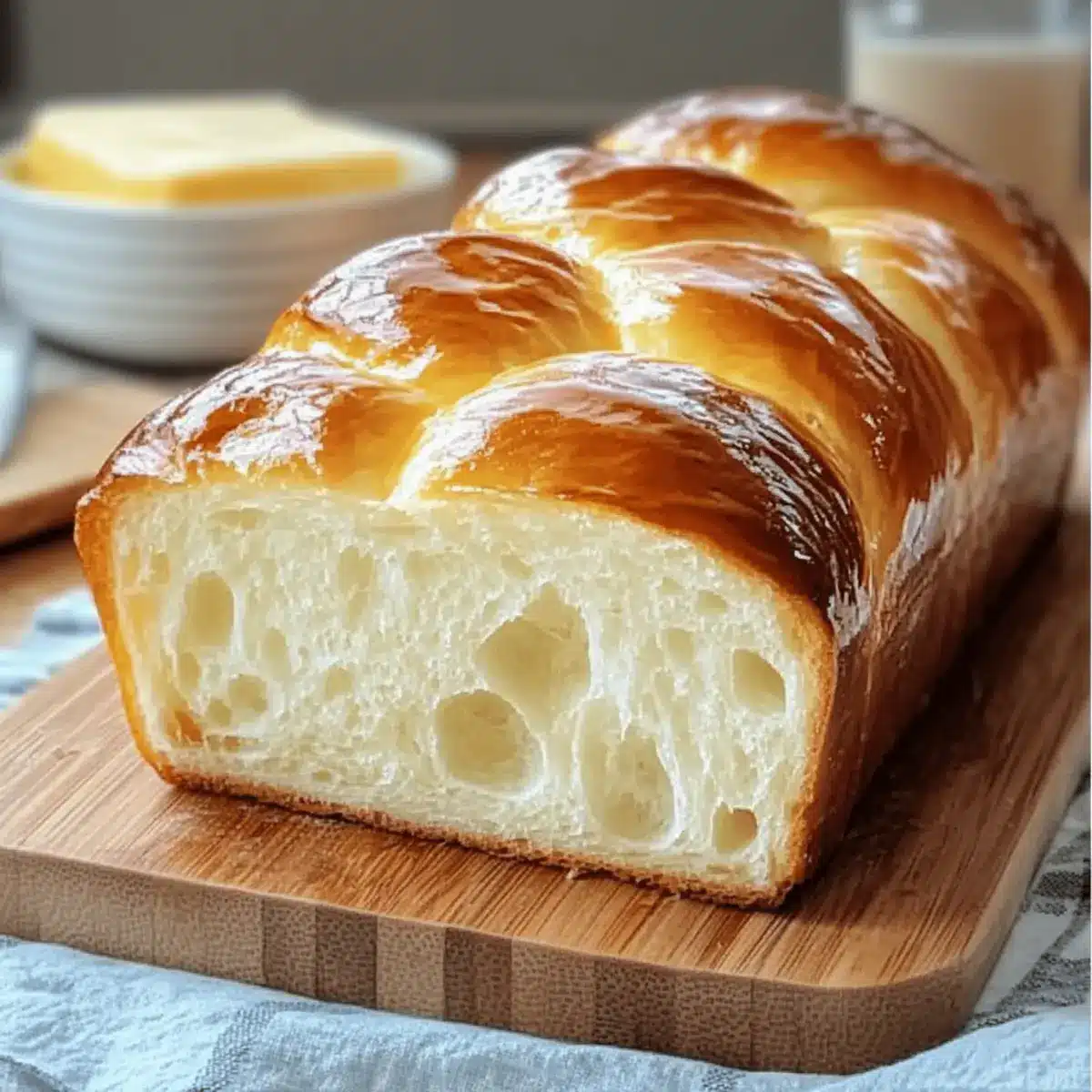
Once the loaf has risen, place it in the preheated oven. Bake for 25-30 minutes, or until the top is golden brown and the loaf sounds hollow when tapped on the bottom. Baking to this perfect color ensures a deliciously soft milk bread that is both visually appealing and fragrant.
Step 9: Cool the Bread
After baking, remove the bread from the oven and allow it to cool in the pan for 10 minutes. Then, carefully transfer the loaf to a wire rack to cool completely. This step is crucial for setting the final texture of your soft milk bread, making it easier to slice once cooled.
Expert Tips for Milk Bread
• Fresh Yeast: Always check the expiration date on your yeast. Using fresh yeast ensures your milk bread will rise beautifully and have a great texture.
• Warm Ingredients: Make sure your milk and egg are at room temperature. This helps activate the yeast and promotes an even rise.
• Knead Properly: Kneading is vital for gluten development. Aim for a smooth and elastic dough to achieve that delightful soft texture.
• Don’t Rush the Rises: Allow plenty of time for both rises. A warm environment helps the dough double in size, which is essential for a fluffy loaf.
• Oven Temperatures: Every oven is different, so keep an eye on your bread as it bakes. Adjust baking time as necessary to achieve that golden brown color.
• Variations: Feel free to experiment with flavors! Adding herbs or spices can elevate your milk bread and make it even more special during family dinners.
Milk Bread Variations & Substitutions
Craft your perfect loaf with these delightful twists and substitutions! Let your creativity shine as you adapt this recipe to suit your taste.
-
Whole Wheat: Substitute half of the all-purpose flour with whole wheat flour for added nuttiness. This will impart a more wholesome flavor while enhancing the bread’s texture.
-
Dairy-Free: Swap sweetened condensed milk with coconut cream to make a deliciously creamy and dairy-free version. You’ll still enjoy that rich texture, perfect for any dietary need.
-
Vegan Option: Replace the egg with ¼ cup of unsweetened applesauce or a commercial egg substitute. This keeps the bread moist without compromising on fluffiness.
-
Enhanced Sweetness: Sprinkling in a bit of cinnamon or nutmeg can infuse delightful warmth and spice. Just a hint adds a new layer of flavor, transforming your bread into a cozy treat!
-
Savory Delight: Mix in shredded cheese or fresh herbs for a savory twist. This addition pairs beautifully with soups and salads, making each slice an exciting surprise.
-
Fruit-Infused: Add dried fruits like raisins or cranberries to the dough before kneading. The sweetness from the fruit pairs perfectly with the milk bread, making each bite memorable.
-
Spicy Kick: Incorporate finely diced jalapeños or your favorite hot pepper for a spicy version. This unique twist can elevate your breakfast or make for a zesty sandwich option.
If you love experimenting with different flavors, consider trying this milk bread alongside a slice of Strawberry Banana Bread for a delightful breakfast combo! Whether you’re seeking warmth or a fun contrast, these variations and substitutions will surely spark joy in your kitchen. Happy baking!
Make Ahead Options
These Soft Sweet Condensed Milk Bread rolls are perfect for meal prep enthusiasts! You can prepare the dough up to 24 hours in advance by placing it in the refrigerator after the first rise. This slow, cold rise not only saves time but enhances the flavor of your bread. When you’re ready to bake, simply shape the loaf and allow it to rise again at room temperature for about 30 minutes before baking. For the best results, wrap the dough tightly in plastic wrap to prevent drying out. With this make-ahead approach, you’ll enjoy the delightful taste of freshly baked milk bread without the morning rush!
Storage Tips for Milk Bread
Room Temperature: Store leftover milk bread in an airtight container at room temperature for up to 3 days to maintain its softness.
Fridge: While it’s possible to refrigerate the bread, it may dry out. If stored in the fridge, wrap it tightly and consume within 5 days.
Freezer: For longer storage, wrap the milk bread in plastic wrap and place it in an airtight freezer bag. It can be frozen for up to 1 month without losing flavor.
Reheating: To enjoy your milk bread again, simply thaw it overnight in the fridge, then warm it gently in the oven at 350°F (175°C) for about 10 minutes to restore its fresh flavor and softness.
What to Serve with Soft Sweet Condensed Milk Bread
The warmth of freshly baked bread transforms any meal into a heartwarming experience everyone will cherish.
- Creamy Tomato Soup: The slight sweetness of the bread perfectly balances the tangy flavor of tomato soup, making every bite comforting.
- Honey Butter: Slathering this sweet topping on warm slices enhances the deliciousness, bringing out that melt-in-your-mouth softness.
- Savory Avocado Toast: Top with mashed avocado, salt, and a sprinkle of chili flakes for a fresh, vibrant dish that complements the bread’s sweetness beautifully.
- Homemade Jam: Pairing slices with your favorite fruit jam adds a cheerful burst of flavor, allowing for a delightful sweet and tangy contrast.
- Rich Chocolate Spread: For a decadent treat, spread chocolate on a warm slice; the combination is sure to be a sweet surprise!
- Steamy Coffee or Tea: A warm beverage alongside the bread makes for a wonderfully cozy breakfast or afternoon treat, enhancing the comforting experience.
- Fruit Salad: Fresh, juicy fruits can add brightness to your meal, balancing the bread’s richness and enhancing your overall dining experience.
- Cheese Platter: Pairing the milk bread with assorted cheeses provides a lovely contrast of textures and flavors, perfect for a casual gathering.
- Butternut Squash Soup: The creamy richness of the soup complements the bread’s slightly sweet nature, creating a warm and inviting meal.
Soft Sweet Condensed Milk Bread Recipe FAQs
How do I choose the right sweetened condensed milk?
Absolutely! When selecting sweetened condensed milk, look for a brand that uses high-quality ingredients. Check the label for a smooth texture and rich flavor without any additives. Avoid unsweetened options as they won’t provide the necessary sweetness for your milk bread.
What is the best way to store leftover milk bread?
For sure! Store leftover milk bread in an airtight container at room temperature for up to 3 days. This helps preserve its delightful softness. If you need to keep it longer, wrap it tightly in plastic wrap and place it in an airtight freezer bag for freezing. It can last in the freezer for up to 1 month without losing flavor.
Can I freeze milk bread? How should I do it?
Yes, indeed! To freeze your milk bread, allow it to cool completely after baking. Wrap it tightly in plastic wrap, ensuring there are no air pockets, then place it in a freezer bag. This method protects against freezer burn and preserves the moisture. Thaw overnight in the fridge before reheating in the oven at 350°F (175°C) for about 10 minutes to restore its fresh-baked taste.
What should I do if my bread doesn’t rise properly?
Oh no! If your milk bread doesn’t rise, it could be due to stale yeast or insufficient warmth. To troubleshoot, ensure you always use fresh yeast, and let your dough rise in a warm, draft-free area. If your kitchen is cool, you can preheat your oven to the lowest setting for a minute, then turn it off and place the dough inside to create a cozy environment for rising.
Is this recipe suitable for those with allergies?
Great question! This milk bread contains common allergens such as wheat (gluten) and eggs. For a vegan option, replace the egg with ¼ cup of unsweetened applesauce or an egg substitute. If you have gluten sensitivities, consider using gluten-free all-purpose flour instead, though results may vary in texture and flavor.
How can I enhance the flavor of my milk bread?
Wonderful idea! You can enhance the flavor of your milk bread by adding spices such as cinnamon or nutmeg before kneading. Alternatively, incorporate shredded cheese or fresh herbs for a savory twist. Just remember to reduce the flour slightly to maintain the right dough consistency if adding heavier ingredients.

Fluffy Milk Bread That Will Make Mornings Magical
Ingredients
Equipment
Method
- In a mixing bowl, combine 1 cup of warm milk, 2 tablespoons of sugar, and 2 teaspoons of active dry yeast. Stir gently until dissolved, then let it sit for about 10 minutes, or until it becomes frothy.
- Add ½ cup of sweetened condensed milk and 1 large egg to the yeast mixture. Whisk until fully combined.
- In a separate bowl, whisk together 4 cups of all-purpose flour and 1 teaspoon of salt. Gradually add the flour mixture into the wet ingredients, mixing until a shaggy dough forms.
- Turn the shaggy dough onto a floured surface and knead it for about 10 minutes, until smooth and elastic.
- Place the kneaded dough into a greased bowl, cover with a kitchen towel, and let it rise until doubled in size, about 1 hour.
- Punch the risen dough down, transfer to a floured surface, and shape into a loaf by rolling tightly.
- Place the shaped loaf into a greased loaf pan and cover with a towel. Let it rise again until doubled, about 30 minutes.
- Preheat your oven to 350°F (175°C) and bake the loaf for 25-30 minutes, or until golden brown.
- Remove from the oven and cool in the pan for 10 minutes before transferring to a wire rack.
Leave a Reply