
The aroma of simmering dashi wafts through the kitchen, transporting me straight to a bustling Japanese home. Today, I’m excited to prepare Oyakodon, a comforting Japanese chicken and egg rice bowl that’s become a cherished staple in my own culinary collection. This heartwarming dish embraces the spirit of Japanese comfort food, making it the perfect family meal or a cozy solo treat. Best of all, it comes together in just about 30 minutes, allowing us to savor a delightful homemade experience without a fuss. Whether you’re enjoying it on a busy weeknight or serving it up during a family gathering, Oyakodon is quick to impress and even easier to adapt. Curious about how to bring this comforting dish to life? Let’s dive in!
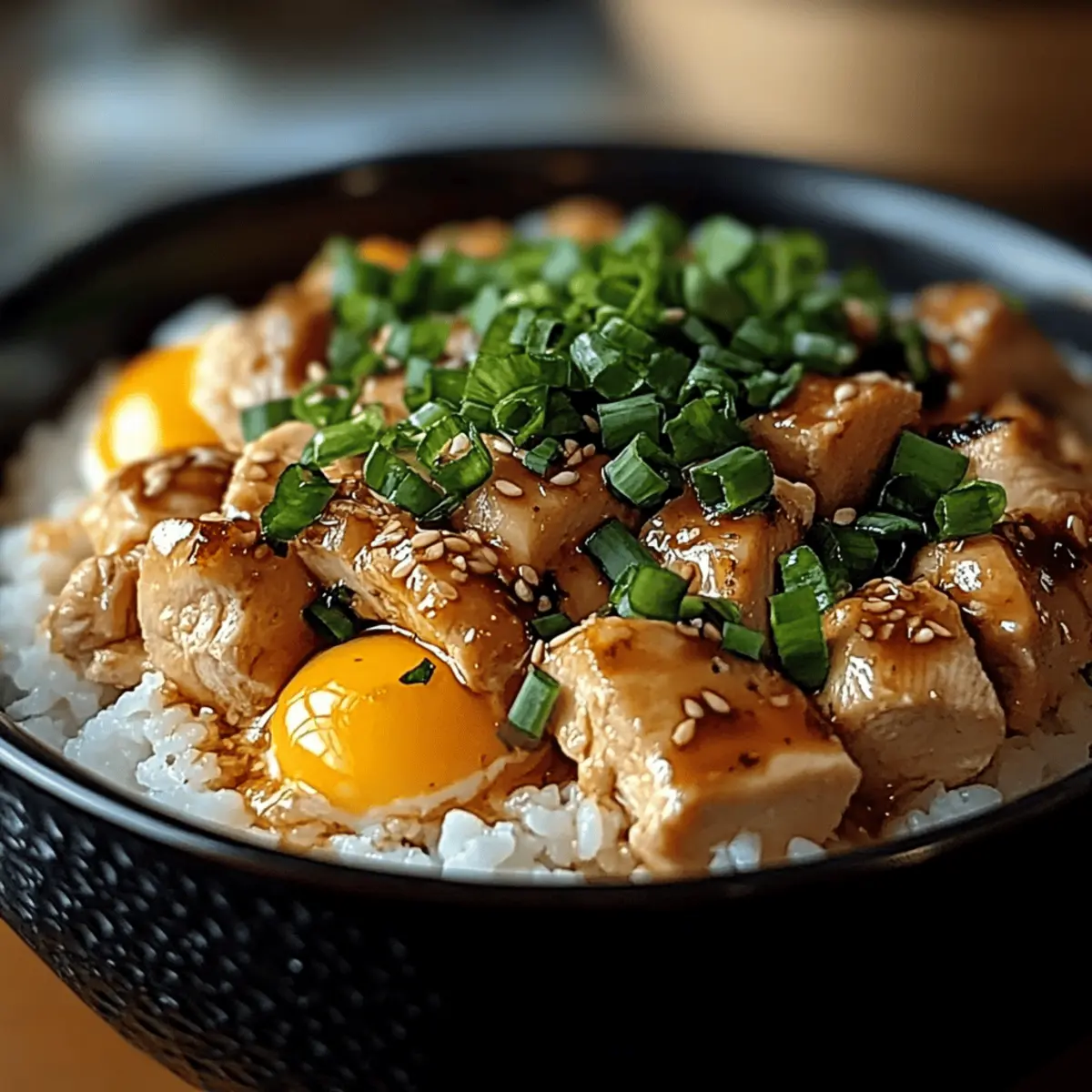
Why is Oyakodon the ultimate comfort dish?
Simplicity: This recipe comes together in just about 30 minutes, making it perfect for busy weeknights or impromptu gatherings.
Heartwarming Flavors: The combination of tender chicken, creamy eggs, and savory dashi creates a deliciously rich bowl that warms the soul.
One-Bowl Wonder: Everything you crave in a meal, from protein to grains, is all in one bowl, minimizing cleanup while maximizing satisfaction.
Adaptable: Whether you prefer to swap chicken for tofu or toss in seasonal veggies, Oyakodon easily accommodates various tastes and dietary needs. For a simple side, I often pair it with a refreshing salad to enhance the meal.
Family Favorite: This dish is loved by all ages, making it a reliable choice for family gatherings or a comforting dinner. You’re likely to find it on my table alongside Buttery Rice to soak up every last drop of that delightful sauce.
Oyakodon Dish Ingredients
For the Rice
• Japanese Short-Grain Rice – Essential for its clingy texture, ideal for holding the savory dashi sauce.
For the Chicken and Eggs
• Boneless, Skinless Chicken Thighs – Cut into bite-sized pieces for quick cooking and to absorb flavors fully.
• Large Eggs – Provide creaminess, forming a soft layer over the chicken; always use fresh eggs for the best taste.
For the Aromatics
• Medium Onion – Adds sweetness and depth to the dish; slice thinly for even cooking.
• Green Onions (for garnish) – Freshens up your dish and adds a pop of color; adjust the amount according to taste.
For the Broth and Seasoning
• Dashi Stock (or Chicken Broth) – Gives depth and umami to the dish; can substitute with vegetable broth for a vegetarian option.
• Soy Sauce – A key ingredient for saltiness and rich color; use low-sodium soy sauce if desired for a lighter dish.
• Mirin – Adds a touch of sweetness and enhances the glaze; can be substituted with sweet rice wine or omitted for a less sweet flavor.
• Sake (optional) – Improves flavor complexity; can be skipped if desired.
• Sugar – Balances the salty flavors; brown sugar works wonderfully for a richer taste.
Optional Ingredients
• Shichimi Togarashi – Adds a spicy kick to your dish; can replace with chili flakes if unavailable.
Step‑by‑Step Instructions for Oyakodon Dish
Step 1: Cook Rice
Rinse 1 cup of Japanese short-grain rice under cold water until the water runs clear, removing excess starch. Cook the rice according to your rice cooker or stovetop method until fluffy, usually about 18-20 minutes for stovetop. Once done, set it aside to keep warm, as this will serve as the hearty base for your Oyakodon.
Step 2: Prepare Chicken
While the rice cooks, take your boneless, skinless chicken thighs and cut them into bite-sized pieces, ensuring even cooking and flavor absorption. This step is crucial for achieving tender chicken that complements the creamy eggs in your Oyakodon dish. Set aside the chicken pieces so they’re ready for the next step.
Step 3: Slice Onion
Next, thinly slice the medium onion to enhance its sweetness and tenderness while cooking. The onion will add flavor and depth to the Oyakodon, seamlessly melding with the other ingredients. Have the sliced onion ready to toss in the skillet alongside the chicken during the cooking process.
Step 4: Beat Eggs
In a bowl, lightly beat the large eggs until well mixed but not frothy, creating a uniform consistency. These eggs will form a delicious, creamy layer over the chicken and onion mixture, making your Oyakodon dish rich and comforting. Keep these eggs aside until the chicken is ready.
Step 5: Simmer Dashi
In a skillet, pour in your dashi stock and bring it to a gentle simmer over medium heat, stirring occasionally. The simmering stock sets the comforting base for your Oyakodon, releasing its savory aroma into the air. Preparing the stock perfectly is essential for achieving the depth of flavor in this delightful dish.
Step 6: Cook Chicken
Add your prepared chicken pieces to the simmering dashi stock. Cook for about 5 minutes, or until the chicken is no longer pink and fully cooked through. You’ll see the chicken turn a lovely golden hue as it absorbs the flavorful broth, creating the perfect centerpiece for your Oyakodon.
Step 7: Add Onion
Incorporate the sliced onion into the skillet with the chicken and dashi. Allow it to simmer for another 3-4 minutes, until the onion turns tender and translucent, melding beautifully with your chicken. This step enhances the sweetness and flavors in the Oyakodon dish, bringing everything together.
Step 8: Season
Stir in the soy sauce, mirin, optional sake, and sugar to the skillet, allowing the mixture to simmer for 2-3 minutes. This will thicken the sauce slightly—watch as it becomes glossy and sticky, clinging to the chicken and onion, creating a heavenly topping for your rice.
Step 9: Add Eggs
Reduce the heat to low and gently pour the beaten eggs over the chicken and onion mixture. Cover the skillet with a lid to steam the eggs for about 5 minutes until they are just set and creamy. Avoid stirring the eggs at this stage to achieve beautifully soft curds, enhancing the Oyakodon dish’s tenderness.
Step 10: Assemble Bowls
Scoop the warm rice into serving bowls, creating a cozy nest for your toppings. Spoon the chicken and egg mixture over the rice, drizzling any remaining sauce generously. The warm, fluffy rice balances perfectly with the rich and savory components of your Oyakodon dish.
Step 11: Garnish
Finally, sprinkle chopped green onions and optional shichimi togarashi over the finished Oyakodon. This last touch adds freshness, color, and just a hint of spice, elevating the culinary experience. Serve your Oyakodon immediately to enjoy the delightful textures and flavors while they’re at their best.
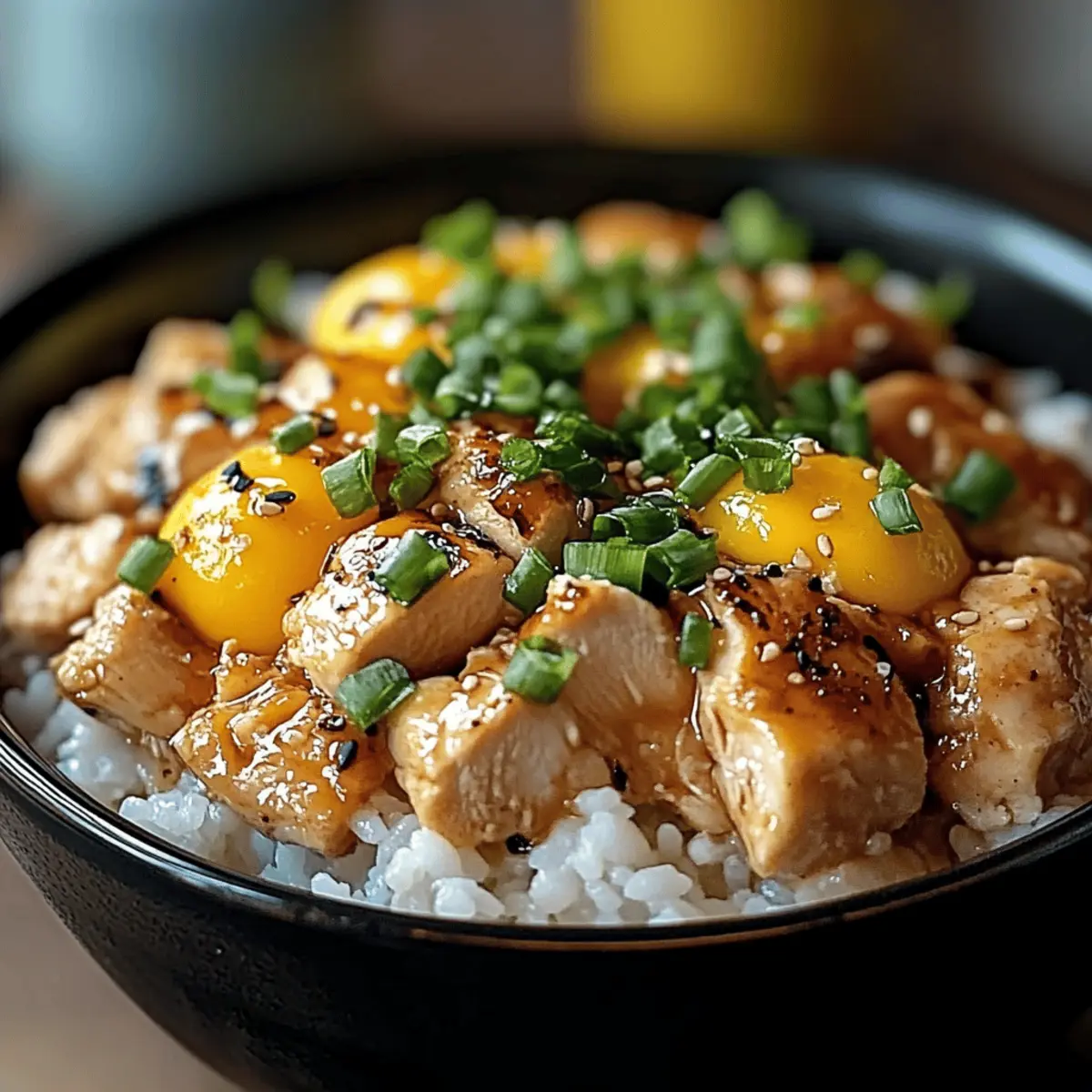
How to Store and Freeze Oyakodon
-
Fridge: Store leftovers in an airtight container for up to 2 days. Before serving, ensure that the egg is still at your preferred doneness, as reheating may alter its texture.
-
Freezer: While it’s best enjoyed fresh, Oyakodon can be frozen for up to 1 month. Separate the chicken and egg mixture from the rice to maintain texture.
-
Reheating: Thaw in the fridge overnight, then reheat gently in a skillet over low heat until warmed through. Add a splash of dashi or broth to help revive the sauce’s flavor.
-
Best Enjoyed Fresh: For the tastiest experience, aim to enjoy your Oyakodon dish immediately after preparation, savoring the comforting flavors just as they were intended!
Oyakodon Dish Variations & Substitutions
Feel free to get creative and make this comforting Oyakodon dish your own with these simple swaps and add-ins!
-
Tofu: Substitute chicken with firm tofu for a protein-packed vegetarian version; just sauté until golden.
-
Tempura Vegetables: Use crispy tempura veggies for a delightful crunch; they add texture and flavor to every bite!
-
Seasonal Veggies: Incorporate seasonal greens like spinach or peas for added nutrition and freshness; they bring vibrant color to the bowl.
-
Sake-Free: Omit sake if you prefer a lighter flavor; the dish will still be delicious without it.
-
Sweet Alternative: Swap regular sugar for honey or maple syrup for a natural sweetness that complements the savory broth beautifully.
-
Spicy Kick: Adjust heat levels by adding more shichimi togarashi or swirling in some Sriracha; this brings a delightful zing to your dish.
-
Red Onion: Experiment with red onion instead of yellow to introduce a sharper flavor and a pop of color; it provides depth while cooking down.
-
Sauce Balance: For a bolder sauce, increase the soy sauce and mirin slightly; just taste and adjust to create your perfect blend.
These variations offer endless possibilities to keep your Oyakodon experience exciting and delicious. If you’re looking to serve this dish alongside something delightful, try pairing it with some Buttery Rice or even a fresh salad for a complete, wholesome meal!
Expert Tips for Oyakodon Dish
-
Egg Consistency: Keep the lid on while cooking eggs to achieve a soft, creamy texture. Don’t stir for the best curds.
-
Rice Cooking: Rinse the rice until the water runs clear to remove excess starch, ensuring fluffy grains that soak up the sauce beautifully.
-
Chicken Size Matters: Cut chicken into uniform bite-sized pieces to promote even cooking and maximum flavor absorption in your Oyakodon dish.
-
Seasoning Balance: Use the right amount of sugar; it complements the soy sauce and mirin without making the dish too sweet. Taste and adjust!
-
Fresh Ingredients: Always opt for fresh eggs and vegetables—quality ingredients make a noticeable difference in flavor.
What to Serve with Oyakodon: A Comforting Japanese Dish
Oyakodon is a complete one-bowl meal, but there are delightful side dishes and drinks that can elevate your dining experience.
-
Miso Soup: This classic pairing brings a warm, savory element to your meal, enhancing the umami flavors of Oyakodon.
-
Crispy Tempura Vegetables: The light and airy crunch of tempura complements the creamy texture of the Oyakodon beautifully, adding an enjoyable contrast.
-
Simple Cucumber Salad: The refreshing crunch of thinly sliced cucumbers dressed in rice vinegar adds brightness and a hint of acidity that balances the richness of the dish.
-
Green Tea: A warm cup of green tea not only serves as a calming accompaniment but also helps cleanse the palate between bites of the rich Oyakodon.
-
Japanese Pickles: Add a zesty note with tangy pickles, providing a contrasting flavor that enhances the overall meal experience.
-
Fruit Sorbet: For dessert, a light fruit sorbet can cleanse the palate and offer a sweet ending to your comforting meal—a perfect way to round off Oyakodon.
Make Ahead Options
Oyakodon is a fantastic option for meal prep, allowing you to enjoy a comforting dish without the last-minute rush! You can prepare the chicken and onion mixture and refrigerate it for up to 3 days. Start by cooking the chicken and onions in the dashi stock, as directed, then cool and store in an airtight container. When you’re ready to enjoy your Oyakodon, just reheat the mixture in a skillet over medium heat before adding the lightly beaten eggs and steaming for about 5 minutes. This method not only saves time but ensures the flavors are just as delicious, making your weeknight meals effortlessly delightful.
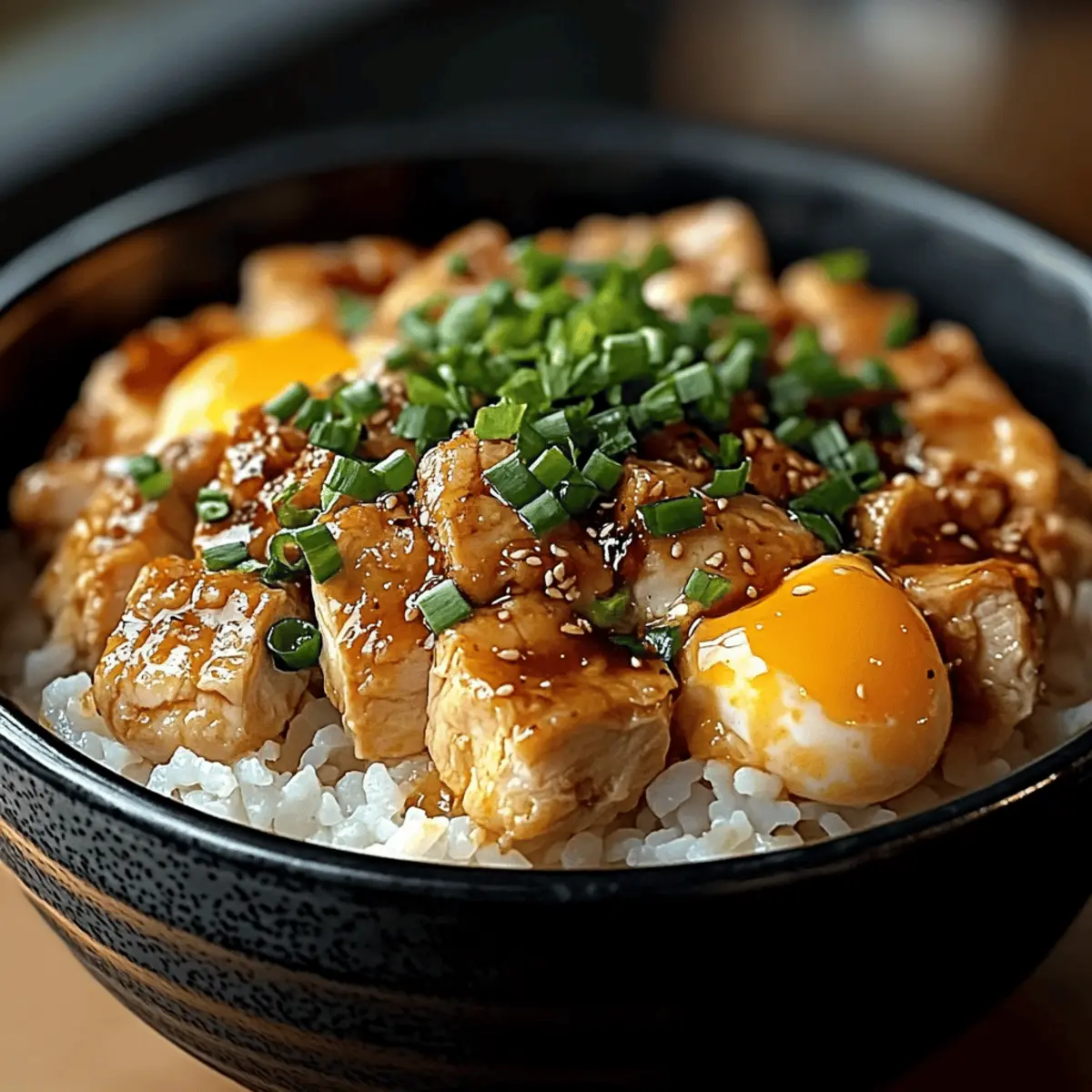
Oyakodon Recipe FAQs
How do I select the best ingredients for my Oyakodon?
Absolutely! For the best results, choose fresh, high-quality ingredients. Select Japanese short-grain rice for its perfect texture; it should feel slightly sticky when cooked. When selecting eggs, look for large ones with a clean, uncracked shell to ensure freshness and maximum creaminess. For chicken, boneless, skinless thighs are ideal due to their tenderness and flavor. If you’re opting for vegetables, vibrant and firm produce like greens or mushrooms make excellent additions.
How should I store leftover Oyakodon?
Oyakodon is best enjoyed fresh, but if you have leftovers, store them in an airtight container in the refrigerator for up to 2 days. To maintain the texture of the eggs, be cautious when reheating. You might find that the eggs will firm up; to avoid this, consider lightly stirring them with a splash of broth to bring back some creaminess as you heat.
Can I freeze Oyakodon?
Very! To freeze, separate the chicken and egg mix from the rice, as rice can become mushy when thawed. Place each component in airtight containers or resealable bags and freeze them for up to 1 month. When ready to enjoy, thaw in the fridge overnight and reheat the chicken and egg mixture gently in a skillet over low heat, adding a splash of dashi or broth for optimal flavor restoration.
What if my chicken is overcooked or dry?
If your chicken turns out overcooked and dry, don’t worry! To fix this, try adding a bit of warm dashi or chicken broth to the dish during reheating—this will help to reintroduce moisture and flavor. In future preparations, ensure you keep an eye on the cooking time, aiming for that perfect, tender texture. It only takes about 5 minutes in the simmering dashi for the chicken to cook through, so stay attentive!
Are there any dietary considerations for Oyakodon?
Very much so! Oyakodon is a versatile dish that can cater to various dietary needs. For a vegetarian version, substitute the chicken with tofu or tempura vegetables. Additionally, if you or someone in your family has allergies (for example, to eggs or gluten), you can explore alternatives—like using a plant-based egg substitute and ensuring gluten-free soy sauce or alternative seasonings. Always adjust recipe components to suit your dietary requirements and preferences.
How can I enhance the flavor of my Oyakodon?
To elevate the flavor profile of your Oyakodon, consider experimenting with additional seasonings or garnishes! Adding shichimi togarashi gives a delightful spice kick, while incorporating sautéed seasonal veggies adds depth. A splash of sesame oil in the final touches or even a dash of vinegar can enhance the overall dish’s complexity. The more, the merrier! Don’t hesitate to make it your own.
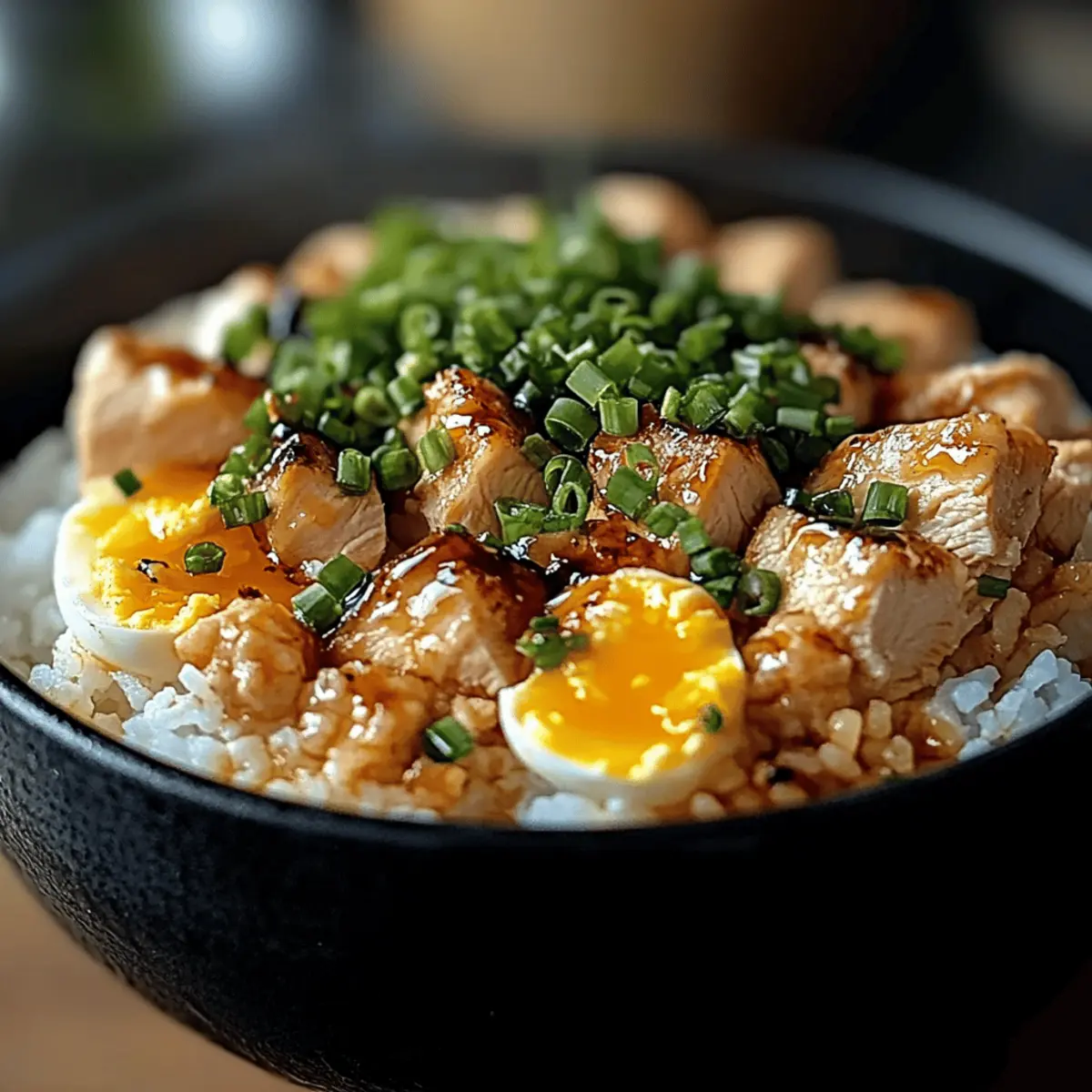
Comforting Oyakodon Dish: Your Cozy Japanese Rice Bowl
Ingredients
Equipment
Method
- Rinse 1 cup of Japanese short-grain rice under cold water until the water runs clear. Cook the rice until fluffy, about 18-20 minutes.
- Cut boneless, skinless chicken thighs into bite-sized pieces.
- Thinly slice the medium onion.
- Lightly beat the large eggs in a bowl.
- Pour dashi stock into a skillet and bring to a simmer over medium heat.
- Add chicken pieces to the simmering stock and cook until fully cooked.
- Incorporate the sliced onion and simmer until tender.
- Stir in soy sauce, mirin, sake, and sugar. Allow to simmer until thickened.
- Reduce heat and pour beaten eggs over the mixture, cover, and steam until set.
- Scoop warm rice into bowls and spoon chicken and egg mixture over the top.
- Garnish with chopped green onions and optional shichimi togarashi.
Leave a Reply