
Let me tell you about the first time I pulled fresh English muffins from my kitchen. The delightful aroma of warm bread filled the air, and I couldn’t wait to indulge in that heavenly softness. Unlike their store-bought counterparts, my homemade English muffins are brimming with texture, boasting those perfect nooks perfect for cradling butter and jam. Plus, this recipe is not only straightforward but also quick to whip up, making it a perfect breakfast treat that turns any morning into a special occasion. It’s time to put away the fast food and embrace the warmth of homemade goodness. Are you ready to transform your breakfast routine with these delightful English muffins?

Why Make Homemade English Muffins?
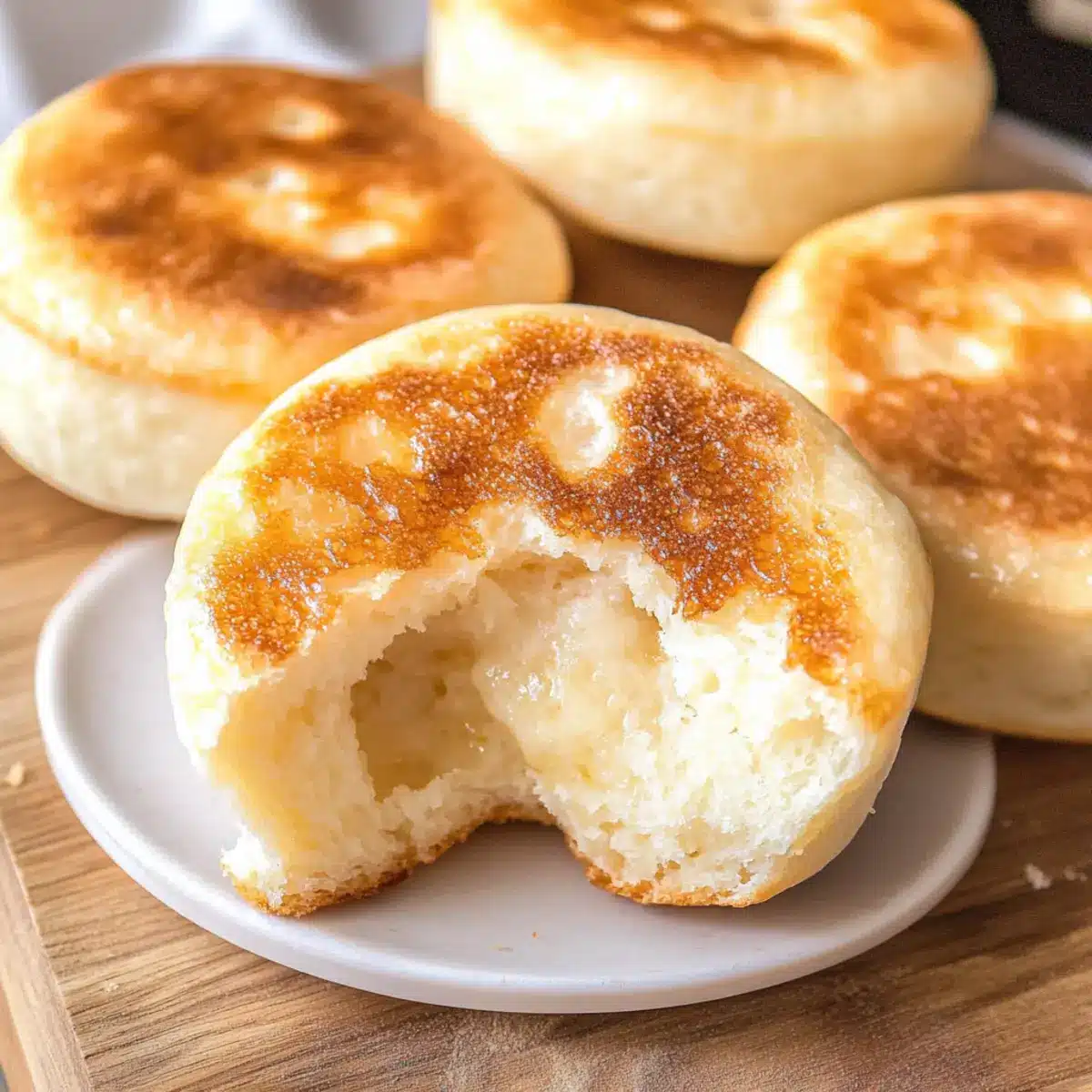
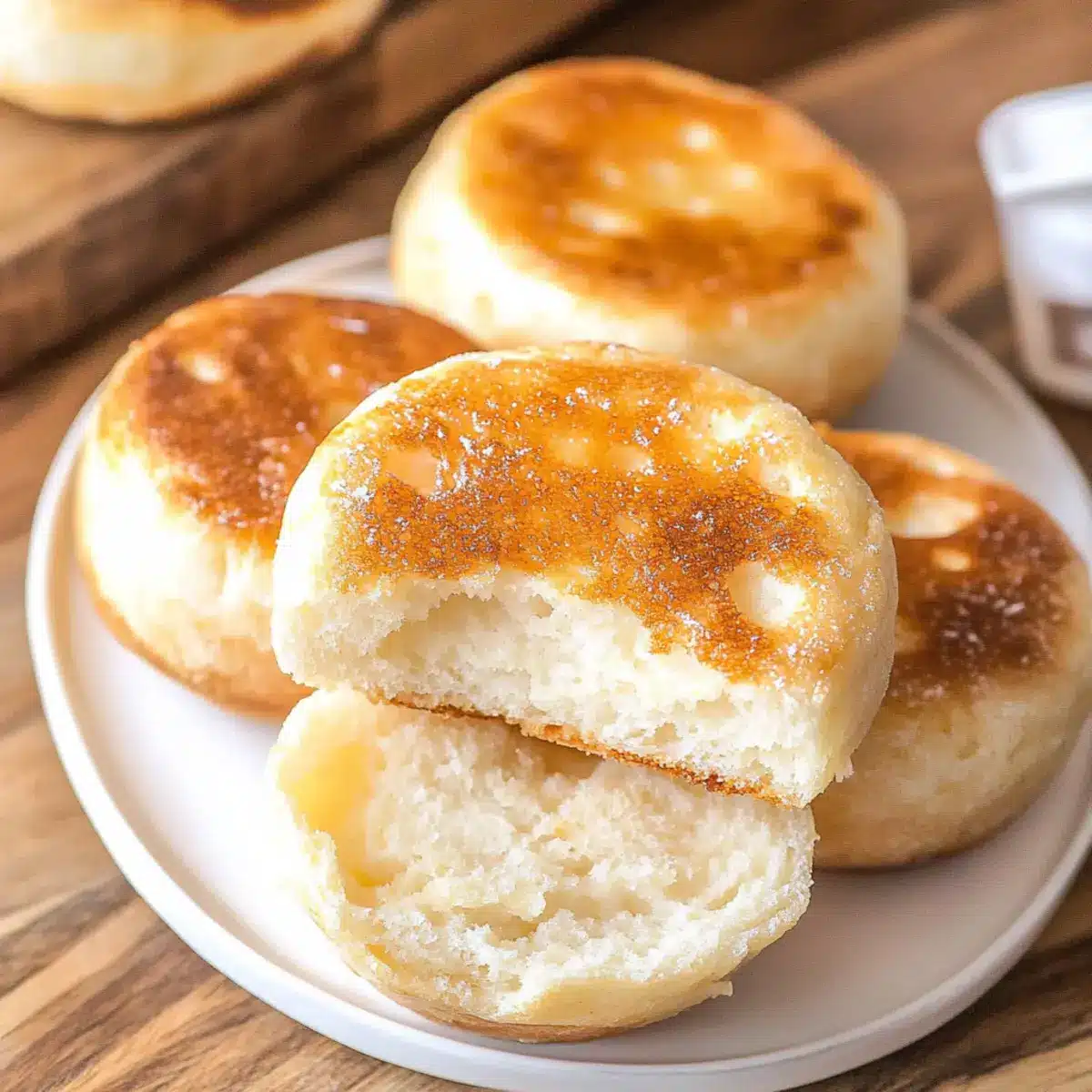
Absolute Freshness: There’s truly nothing like the distinct aroma of freshly baked muffins wafting through your kitchen. Authentic Texture: Each bite reveals a delightful craggy exterior and soft, airy center, perfect for slathering with butter or jam. Easy Process: This straightforward recipe requires only basic baking skills, making it accessible for everyone. Versatile Use: Enjoy these muffins toasted with your favorite spreads, or use them for scrumptious breakfast sandwiches. Say goodbye to fast food and hello to a comforting homemade breakfast that shines like our Orange Pecan Muffins. It’s time to take back your mornings with this delicious DIY treat!
English Muffin Ingredients
For the Batter
- Warm Water – Activates the yeast; using filtered or bottled water ensures no strong flavors interfere.
- Instant Dry Yeast – Leavens the muffins; fresh yeast yields the best rise and texture.
- Granulated Sugar – Feeds the yeast for optimal rising; raw sugar works as a substitution if desired.
- All-Purpose Flour – Provides structure; consider whole wheat flour for a healthier twist.
- Salt – Enhances flavor and strengthens dough; don’t skip this as it balances the sweetness.
- Milk – Adds moisture and richness; feel free to use non-dairy milk alternatives to suit your preferences.
- Butter (melted) – Enriches the texture; opt for unsalted butter for better control over salt content.
- Cornmeal – Prevents sticking and adds texture; it’s recommended for the best results with your English muffins.
Step-by-Step Instructions for Perfect Homemade English Muffins from Scratch
Step 1: Prepare Yeast Mixture
In a mixing bowl, combine 1 cup of warm water (about 110°F) with 2 teaspoons of instant dry yeast and 1 tablespoon of granulated sugar. Stir gently and let the mixture sit for 3–4 minutes until it becomes foamy, indicating the yeast is active. This is the first step towards fluffy English muffins that will elevate your breakfast.
Step 2: Mix Dough
Add 3 cups of all-purpose flour and 1 teaspoon of salt to the yeast mixture, alternating with ½ cup of warm milk. Gradually incorporate 2 tablespoons of melted butter into the mixture until a cohesive dough forms. Stir until the dough pulls away from the sides of the bowl, creating a soft texture that signifies it’s ready for the first rise.
Step 3: First Rise
Cover the bowl tightly with plastic wrap or a kitchen towel, and place it in a warm area. Allow the dough to rise for 60–90 minutes, or until it has doubled in size. You’ll know it’s ready when the surface appears puffy and light, signaling that the yeast has done its magic, setting the stage for those delightful English muffins.
Step 4: Shape Muffins
Once the dough has risen, turn it out onto a floured surface and roll it out to a thickness of about ½ inch. Using a 3-inch round cutter, cut out the muffins and place them on a cornmeal-dusted baking sheet. Ensure they are spaced apart so they have room to expand slightly as they rise again.
Step 5: Second Rise
Cover the shaped muffins with a clean kitchen towel and let them rise for an additional 45 minutes. This second rise is crucial for achieving that perfect airy texture—look for the muffins to puff up slightly, signaling they’re ready for cooking.
Step 6: Cook Muffins
Heat a non-stick pan or cast-iron skillet over medium heat. Carefully place the muffins in the pan, cover them, and cook for about 5 minutes on one side until golden brown. Flip them over, cover again, and cook for an additional 4–5 minutes, ensuring they reach an internal temperature of 190°F for fully cooked perfection.
Step 7: Cool
Once cooked, transfer the English muffins to a wire rack to cool completely. This crucial step allows them to retain their soft, airy texture. Once cooled, they are ready to be toasted and slathered with butter and jam, transforming your breakfast into a delightful homemade experience.
Expert Tips for Homemade English Muffins
-
Fresh Yeast Check: Ensure your instant dry yeast is fresh by checking the expiration date; it should foam when mixed with warm water and sugar.
-
Dough Texture: Aim for a soft, slightly sticky dough. If too dry, add a teaspoon of milk; if too wet, sprinkle a bit of flour while mixing.
-
Cornmeal Usage: Don’t skip the cornmeal! It not only prevents sticking but adds a delightful texture to the exterior of your English muffins.
-
Cooking Temperature: Use medium heat and cover the skillet while cooking; this steams the muffins for even cooking and prevents burning.
-
Gentle Handling: Be gentle when shaping and handling your muffins; this maintains their airy structure and helps avoid dense textures.
-
Perfect Storage: Store leftover English muffins in an airtight container at room temperature for up to 4 days; for longer freshness, freeze them individually.
What to Serve with Perfect Homemade English Muffins from Scratch
Transforming your breakfast experience with these delightful treats invites a world of pairing possibilities.
- Flavored Butter: Spread herb-infused or cinnamon honey butter for a rich, indulgent touch that elevates each bite.
- Scrambled Eggs: Fluffy eggs provide a satisfying contrast to the airy muffins, creating a balanced, hearty breakfast.
- Fresh Fruit Salad: A refreshing medley of fruits adds brightness and texture, complementing the warm, toasty muffins beautifully.
- Yogurt Parfait: Layer Greek yogurt with fruit and granola for a creamy, crunchy contrast to the soft muffins.
- Savory Breakfast Sandwiches: Stack cooked sausage or bacon with cheese and a fried egg, creating a satisfying handheld delight.
- Jam & Preserves: Classic strawberry or tangy raspberry preserves bring sweetness and vibrant flavor, enhancing the muffin’s texture.
- Hot Coffee or Tea: A warm beverage such as freshly brewed coffee or herbal tea perfectly balances the rich flavors.
- Smoothies: Pair with a fruity or green smoothie for a nutritious morning boost that complements the muffins’ softness.
For a feast that lingers long after breakfast, these pairings enhance the homemade goodness of English muffins like no other.
How to Store and Freeze English Muffins
Room Temperature: Store homemade English muffins in an airtight container at room temperature for up to 3–4 days. This keeps them soft and ready for toasting.
Fridge: If you want to extend their lifespan, refrigerate the muffins for up to 1 week. Make sure they’re in a sealed container to avoid drying out.
Freezer: For longer storage, individually wrap each muffin in plastic wrap, then place them in a freezer-safe bag. They can be frozen for up to 3 months.
Reheating: When ready to enjoy, simply toast them directly from frozen or let them thaw at room temperature before toasting for a delightful breakfast treat.
Make Ahead Options
These Homemade English Muffins are perfect for meal prep enthusiasts! You can prepare the dough up to 24 hours in advance. Simply complete Step 3 (First Rise) and then refrigerate the covered dough for later use. When you’re ready to bake, remove the dough from the fridge, let it sit at room temperature for about 30 minutes to warm up, then continue with Step 4 (Shape Muffins) and Step 5 (Second Rise). Additionally, if you want to store baked muffins, they can be kept in an airtight container at room temperature for up to 4 days or frozen individually for up to 3 months. This way, you’ll always have fresh muffins on hand, just as delicious as when they were first baked!
English Muffin Variations & Substitutions
Feel free to explore exciting twists on this delicious creation that will make every bite even more special!
-
Whole Wheat: Substitute all-purpose flour with whole wheat flour for a heartier, fiber-rich muffin packed with flavor.
-
Add Fruits: Mix in dried fruits like cranberries or raisins after combining the flour for a sweet surprise in each muffin.
-
Herb Infusion: Incorporate fresh herbs such as rosemary or thyme into the dough to give your muffins a fragrant and savory touch.
-
Cinnamon Sugar Swirl: Sprinkle a mix of cinnamon and sugar prior to shaping the muffins for a deliciously sweet breakfast treat that pairs wonderfully with butter.
-
Spicy Kick: Add a touch of cayenne pepper or black pepper to the dough for a subtle heat that contrasts beautifully with sweet toppings.
-
Dairy-Free Delight: Use non-dairy milk alternatives and coconut oil instead of butter for a scrumptious vegan option that doesn’t skimp on taste.
-
Cheese Heaven: Fold in shredded cheeses like cheddar or cottage cheese for a savory bite that elevates your typical English muffin.
-
Sweet Potato Twist: Replace some of the flour with pureed sweet potato for a subtly sweet flavor and vibrant color, perfect for a unique brunch option.
Whether you’re indulging in your muffins with classic butter and jam or experimenting with a cinnamon sugar swirl, let these variations inspire your kitchen adventures! And if you’re in the mood for more breakfast delights, check out these tempting ideas: English Toffee Decadent or how about trying some Muffin Breakfast Pizzas?
Homemade English Muffins Recipe FAQs
How should I select my ingredients for homemade English muffins?
Absolutely! For the best results, look for fresh instant dry yeast. It should bubble when combined with warm water and sugar. Use filtered or bottled warm water to avoid any strong flavors from your tap water. When it comes to flour, all-purpose flour is ideal for the structure, but feel free to choose whole wheat flour for an alternative. Make sure your milk is warm, not hot, to help keep the yeast happy!
How do I store homemade English muffins, and how long do they last?
You can store your English muffins in an airtight container at room temperature for about 3 to 4 days. They’ll stay fresh and ready for toasting! If you want to extend their shelf life, refrigerate them for up to a week. Make sure they’re well-sealed to prevent drying out.
Can I freeze homemade English muffins, and how do I do it?
Certainly! To freeze your English muffins, wrap each one individually in plastic wrap, then place them in a freezer-safe bag. They’ll keep well for up to 3 months! When you’re ready to enjoy, simply toast them straight from the freezer for a quick and delightful breakfast.
What should I do if my muffins aren’t rising as expected?
Very! If your muffins aren’t rising properly, it could be due to inactive yeast. Always check the expiration date before use, and ensure your water temperature is around 110°F for optimal yeast activation. If the dough feels too stiff or not soft, you may need to adjust by adding a bit of warm milk until you achieve the right consistency.
Are there any dietary considerations I should keep in mind with this recipe?
For sure! If anyone in your household has allergies, this recipe contains wheat and dairy. You can easily make a dairy-free version by swapping milk with non-dairy alternatives, like almond or oat milk, and using dairy-free butter. Additionally, confirm the yeast is skip-free for gluten-free diets if necessary, but that would alter the texture of your final product.
Can I add flavors or fillings to my English muffins?
Absolutely! You can experiment with mix-ins like dried fruits, herbs, or spices after incorporating the flour. A delightful twist is to add a cinnamon-sugar swirl by mixing the ingredients before the first rise. It’s a fantastic way to personalize your muffins and add extra flavor!

Homemade English Muffin Bliss: Soft, Toasty Perfection
Ingredients
Equipment
Method
- In a mixing bowl, combine warm water with instant dry yeast and granulated sugar. Stir gently and let it sit for 3–4 minutes until foamy.
- Add all-purpose flour and salt to the yeast mixture, alternating with warm milk, and gradually incorporate melted butter until a cohesive dough forms.
- Cover the bowl with plastic wrap and place it in a warm area. Allow the dough to rise for 60–90 minutes until it has doubled in size.
- Turn the dough onto a floured surface and roll out to ½ inch thick. Cut out muffins with a 3-inch round cutter.
- Cover the shaped muffins with a kitchen towel and let them rise for an additional 45 minutes.
- Heat a non-stick pan over medium heat and cook the muffins, covered, for about 5 minutes on one side until golden brown.
- Flip and cover again, cooking for an additional 4–5 minutes until fully cooked.
- Transfer to a wire rack to cool completely before toasting.
Leave a Reply